

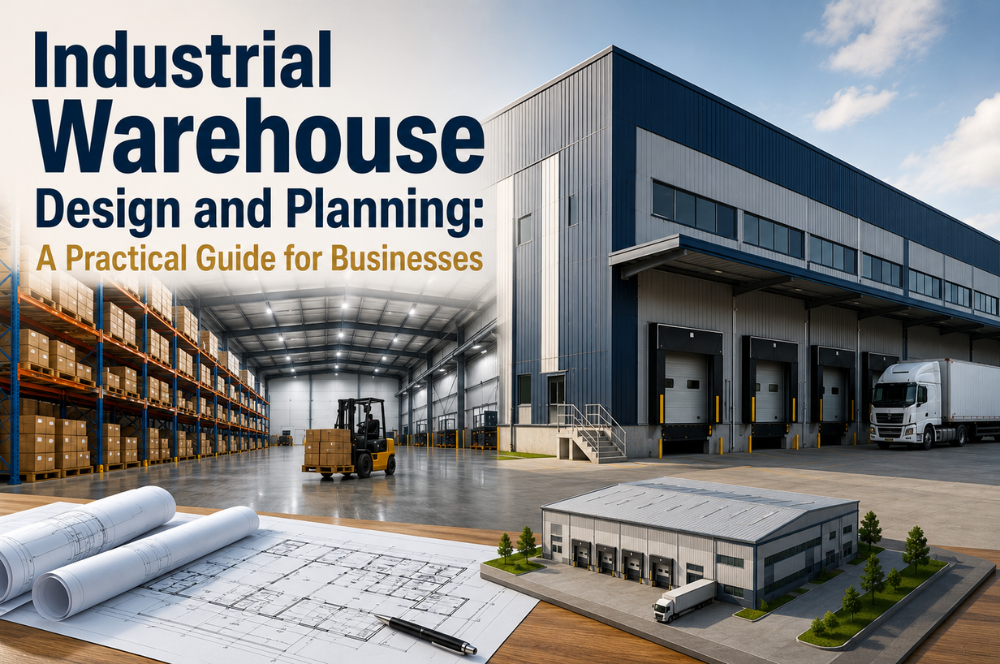
Industrial Warehouse Design and Planning: A Practical Guide for Businesses
Latest Posts
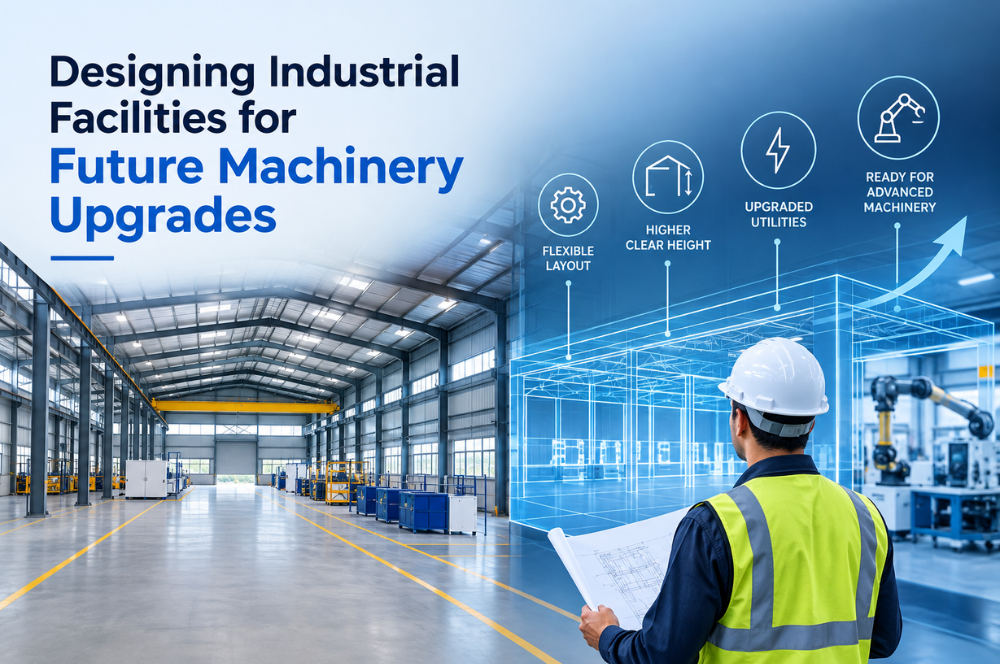
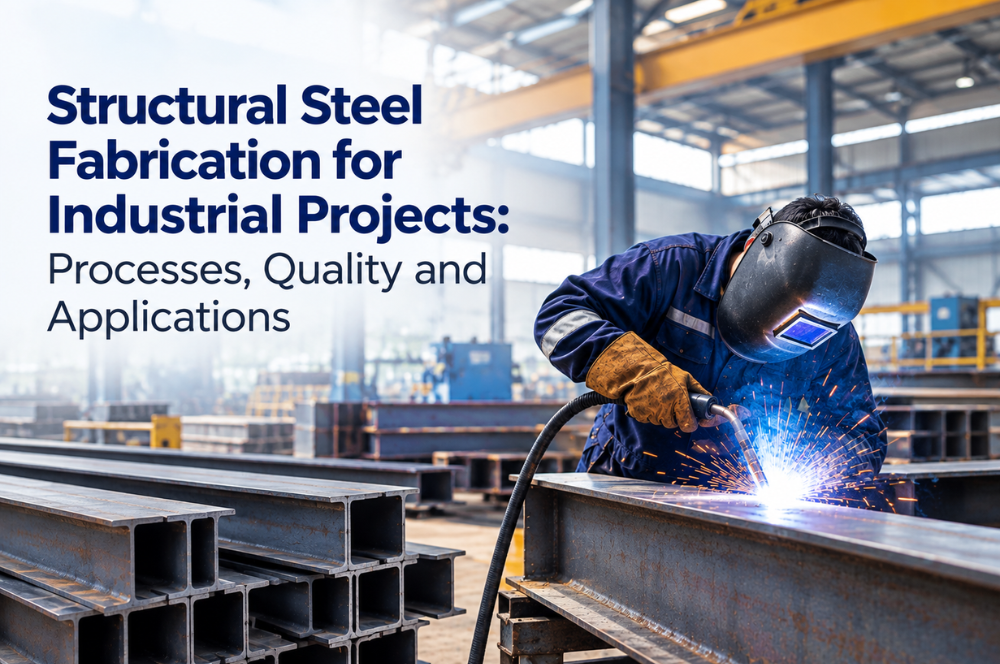
Start Your Construction Journey with Us!
Lorem ipsum dolor sit amet consectetur vulputate non purus
Identify Your Operational Requirements
The planning process begins with understanding how the warehouse will be used. Some businesses require large storage areas for finished goods, while others need dedicated sections for raw materials, equipment, or production activities. Defining these requirements at an early stage helps determine the building’s dimensions, layout, and overall functionality.
It is also beneficial to consider future business growth. A warehouse that can be modified or expanded later allows companies to adapt without investing in a completely new facility.
Select a Suitable Project Location
The location of a warehouse has a direct impact on transportation efficiency and business operations. A site with convenient access to highways, industrial corridors, suppliers, and customers can help reduce travel time and improve the movement of goods.
Design a Functional Warehouse Layout
A warehouse should be designed to support smooth movement throughout the facility. Storage racks, loading docks, vehicle pathways, workstations, and office areas should be arranged so that daily operations can continue without interruptions.
A carefully organized floor plan allows employees and equipment to move comfortably between different work zones, making routine activities more streamlined and reducing unnecessary movement across the warehouse.
Choose the Right Building System
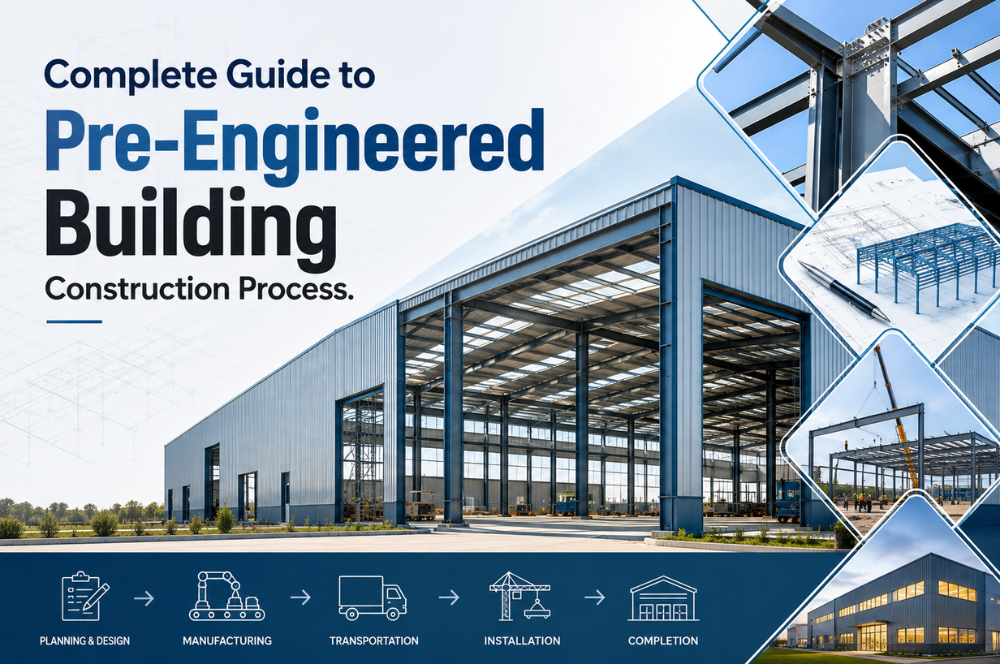
Many businesses now prefer Pre-Engineered Buildings (PEBs) because they provide a practical and economical construction solution. Since structural components are manufactured in advance with precision, installation at the project site is completed much faster than traditional construction methods.
PEB structures also offer design flexibility, making them suitable for warehouses of different sizes and industrial applications. Their durable steel framework provides long-lasting performance with minimal maintenance.
Give Priority to Safety
Use Durable Construction Materials
Selecting dependable materials also reduces repair requirements and contributes to consistent building performance over many years.
Partner with Experienced Construction Experts
Professional guidance also helps businesses choose the most suitable design solutions while maintaining quality and budget requirements.
Plan for Long-Term Value
Conclusion
A successful warehouse project begins with careful planning and informed decision-making. From selecting the right location to designing an efficient layout and choosing durable construction materials, every step contributes to the overall performance of the facility. By partnering with experts in industrial warehouse construction, businesses can build warehouses that support productivity, operational efficiency, and future expansion. Choosing a reliable pre engineered building manufacturer further ensures high-quality, cost-effective, and customized building solutions designed to meet the demands of modern industries.
